Enhancing Textile Production with Precision Rollers
Admin
Article Content
Enhancing Textile Production with Precision Rollers
The textile industry relies heavily on precision and efficiency to meet the high demands of fabric production. From spinning to dyeing, industrial rollers play a crucial role in ensuring smooth operations and maintaining the quality of the final product. Whether handling delicate fabrics or processing heavy-duty textiles, the right rollers are essential for optimizing productivity and minimizing waste.
The Role of Industrial Rollers in Textile Manufacturing
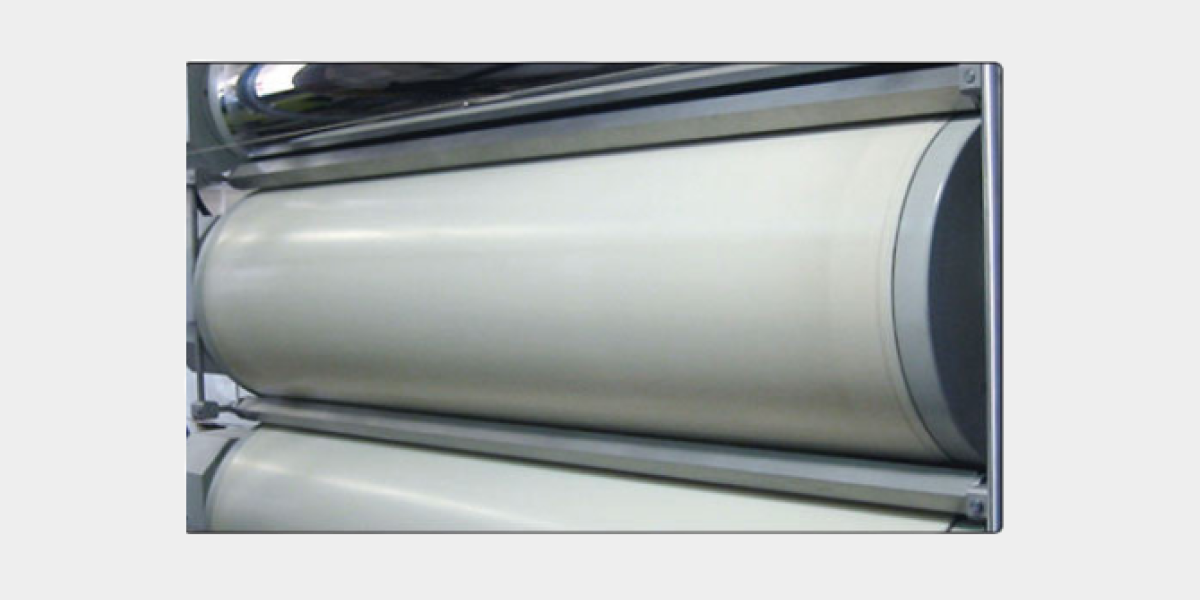
Industrial rollers are integral to various stages of textile production, including spinning, weaving, printing, and finishing. They help guide, press, and treat fabrics, ensuring that each step of the process runs seamlessly. Rollers must be designed to handle materials of varying thicknesses and textures without causing damage or deformation.
Why Choose Indian Roller for Textile Industry Solutions?
At Indian Roller, we understand the unique challenges of textile production. Our precision-engineered rollers are designed to meet the specific requirements of each stage in the textile manufacturing process. Whether you need chemically resistant rollers for dyeing lines or heat-resistant rollers for drying systems, our products ensure optimal performance and longevity. We offer a wide range of rollers made from premium rubber compounds like Natural Rubber, Polyurethane, and EPDM, each tailored to provide maximum efficiency and reliability. With a commitment to innovation and quality, Indian Roller is your trusted partner in enhancing textile production and driving operational success.
Types of Rollers Used in the Textile Industry
Guide Rollers:
Ensure the precise alignment and smooth movement of fabrics through production lines.
Padding Rollers:
Used in the dyeing process to evenly apply color or finishing agents to fabrics.
Drying Rollers:
Facilitate efficient moisture removal from textiles after washing or dyeing. These rollers are often made with heat-resistant materials to withstand high temperatures.
Embossing Rollers:
Used to create patterns or textures on fabrics, ensuring consistency and accuracy in design.
Calendaring Rollers:
Press fabrics to achieve a smooth and glossy finish, improving the aesthetic and tactile qualities of the material.
Features of Textile Rollers
High Precision:
Accurate alignment and tension control prevent fabric defects such as wrinkles, tears, or uneven finishes.
Surface Customization:
Rollers can be coated with specific materials to handle delicate or abrasive fabrics safely.
Chemical Resistance:
Rollers used in dyeing and finishing processes are often exposed to harsh chemicals, requiring coatings like EPDM or Silicon Rubber for durability.
Temperature Tolerance:
Drying and heat-setting processes demand rollers that can withstand high temperatures without compromising performance.
Applications of Rollers in Textile Production
Fabric Handling and Guiding:
Rollers ensure fabrics move smoothly through various stages, from weaving to finishing, reducing the risk of misalignment and defects.
Dyeing and Printing:
Padding rollers evenly apply dyes, ensuring consistent color distribution. Printing rollers are used for transferring patterns with precision.
Finishing and Coating:
Rollers apply coatings that improve fabric properties such as water resistance, flame retardancy, or softness.
Drying and Heat Setting:
Heat-resistant rollers facilitate efficient drying, helping maintain the quality and strength of fabrics.
Benefits of Using High-Quality Rollers in Textile Manufacturing
Improved Product Quality:
Precision rollers ensure fabrics are processed smoothly, resulting in high-quality finished products.
Enhanced Efficiency:
Properly designed rollers reduce downtime and increase production speed.
Lower Maintenance Costs:
Durable rollers require less frequent replacement, reducing overall operational costs.
Versatility:
Rollers can be customized to handle a wide variety of fabrics, from delicate silks to heavy-duty denim.