Hypalon Rubber
Product Overview
Property | Typical Value |
Hardness Range | 40 Shore A to 95 Shore A |
Operating Temperature | -20°C to +150°C |
Color Options | Black, White, Red, Blue, or Custom Colors |
Common Core Materials | Steel, Stainless Steel, Aluminum |
Surface Finish | Ground, Polished, Grooved, or Crowned |
High-Performance Hypalon Rubber Rollers: The Ultimate Guide for Industrial Applications
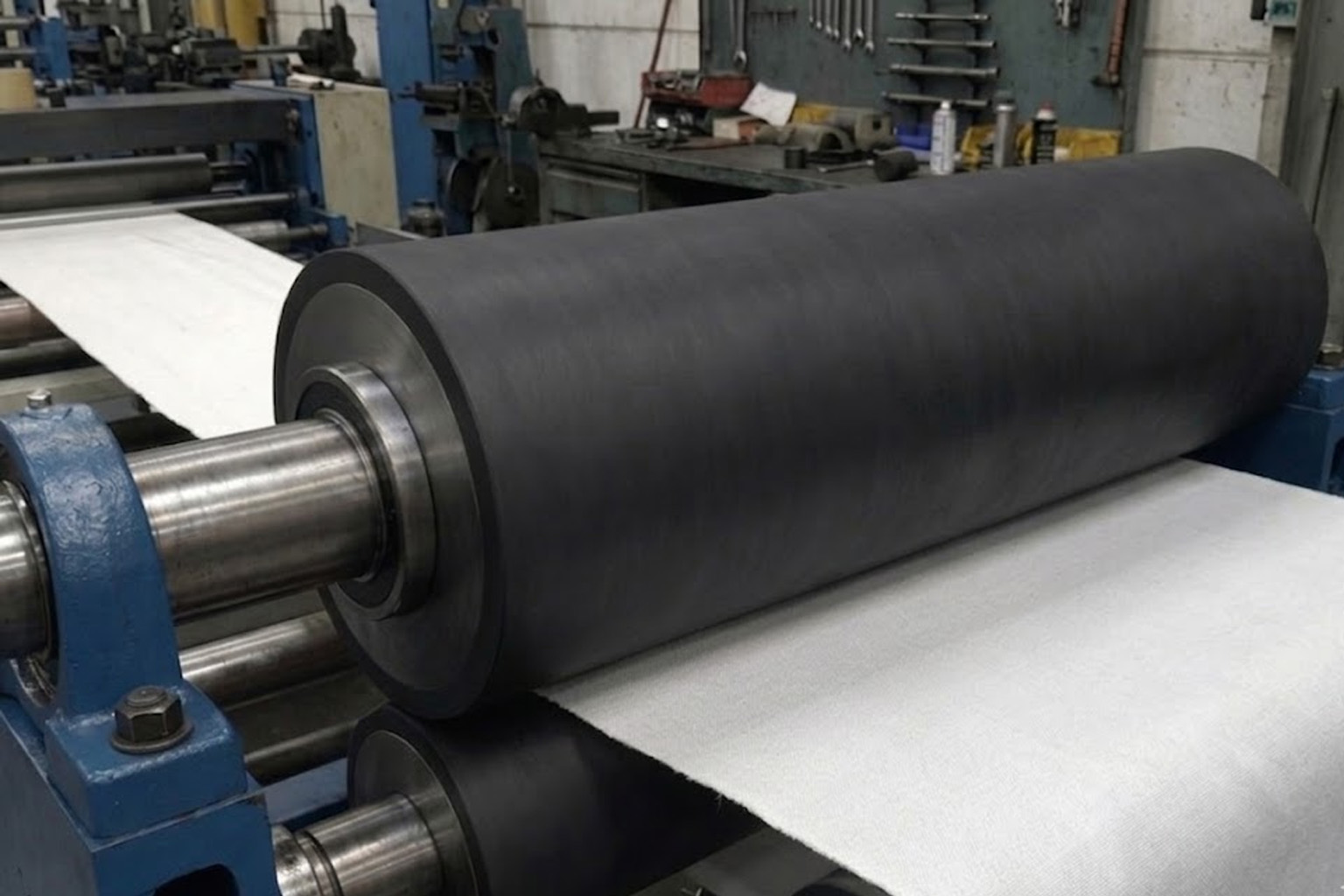
In the demanding world of industrial manufacturing, the components you choose can be the difference between seamless production and costly downtime. Among the most resilient and versatile components available today is the Hypalon Rubber Roller.
Known technically as Chlorosulfonated Polyethylene (CSM), Hypalon is a synthetic rubber celebrated for its extraordinary resistance to environmental stressors. Whether you are operating in textile processing, steel mills, or chemical plants, understanding why Hypalon is the "gold standard" for rollers can help optimize your facility's efficiency.
Why Choose Hypalon (CSM) for Your Industrial Rollers?
Hypalon was originally developed by DuPont, and while the brand name has become synonymous with the material, its chemical properties remain unique. Unlike standard nitrile or neoprene, Hypalon offers a specific balance of mechanical strength and chemical stability.
Key Performance Benefits:
Exceptional Heat Resistance: Hypalon rollers can operate continuously at temperatures up to 120°C to 150°C without losing their physical properties. This makes them ideal for heat-setting processes.
Chemical and Ozone Stability: These rollers are virtually immune to ozone degradation and show high resistance to strong acids, oxidizing agents, and various corrosive chemicals.
Abrasion and Wear Resistance: The tough surface of a CSM roller ensures longevity even when handling abrasive materials or high-tension web paths.
Weathering Resilience: For applications exposed to the elements or UV light, Hypalon maintains its integrity where other rubbers would crack or harden.
Critical Technical Specifications
When sourcing a Hypalon rubber roller, it is essential to match the specifications to your specific machinery requirements.
Top Industry Applications
Because of their versatile nature, Hypalon rollers are utilized across a broad spectrum of heavy and light industries:
Textile Industry: Used in dyeing, bleaching, and mercerizing ranges where rollers are constantly exposed to harsh chemicals and high heat.
Steel and Aluminum Mills: Ideal for pickling lines and coating sections where acid resistance is paramount.
Printing and Packaging: Used as nip rollers or laminating rollers because they provide a consistent grip and do not swell easily in the presence of certain solvents.
Plastic Film Industry: Perfect for corona treatment stations and extrusion lines due to their dielectric properties and heat stability.
Maintenance Tips for Extending Roller Life
Investing in a high-quality Hypalon roller is only the first step. Proper maintenance ensures you get the maximum return on your investment:
Regular Cleaning: Use mild cleaners to remove debris. Avoid aggressive solvents that are not rated for CSM, as they can eventually degrade the surface.
Periodic Regrinding: If the roller surface shows signs of uneven wear or "glazing," professional regrinding can restore the original profile and prolong its service life.
Correct Nip Pressure: Over-pressurizing rollers can lead to premature core failure or "chunking" of the rubber. Always follow the OEM pressure settings.
Storage: When not in use, store rollers on their journals (ends) rather than resting on the rubber surface to prevent flat spots.
Choosing the Right Manufacturer
Not all Hypalon rollers are created equal. When selecting a supplier, ensure they use high-grade CSM polymers and have the capability to perform dynamic balancing. A balanced roller reduces vibration, protects your bearings, and ensures a more uniform product output.
Pro Tip: When requesting a quote, specify your operating environment—including the specific chemicals used and the peak operating temperatures—so the manufacturer can optimize the Hypalon compound for your needs.